
The IT Workforce in Higher Education, 2019
CIOs, DEI, HR, Mentoring, and Salaries
Project Overview & Approach
In 2019, higher education IT organizations were facing mounting pressure to modernize—not just their technologies, but their people practices, leadership models, and organizational cultures. As part of EDUCAUSE Research, I co-authored The IT Workforce in Higher Education, 2019, a multi-report research initiative designed to take a deeper look at the structure, experiences, and challenges shaping the higher education IT profession.
This project extended EDUCAUSE’s workforce research by focusing on five critical areas: CIO leadership, diversity, equity, and inclusion (DEI), human resources, mentoring, and salaries. Rather than treating these as isolated issues, the research examined how leadership positioning, institutional culture, and professional development practices intersect to influence career growth, equity, and retention across the IT workforce.
The goal was twofold:
- Provide evidence-based insights for CIOs, IT leaders, and HR partners
- Offer practical guidance institutions could use to strengthen their IT organizations and leadership pipelines

Study Design & Scope
The research drew on survey responses from nearly 1,600 higher education IT professionals, representing a wide range of institutional types, roles, and career stages.
The data informed five interconnected reports, each focused on a key workforce dimension:
- The role and influence of the CIO
- Diversity, equity, and inclusion in IT organizations
- Human resources practices and organizational support
- Mentoring and professional development
- Salaries and compensation equity
This multi-report approach allowed us to examine workforce issues holistically while still providing deep dives into specific areas of concern
1. CIO Positioning Shapes Strategic Impact
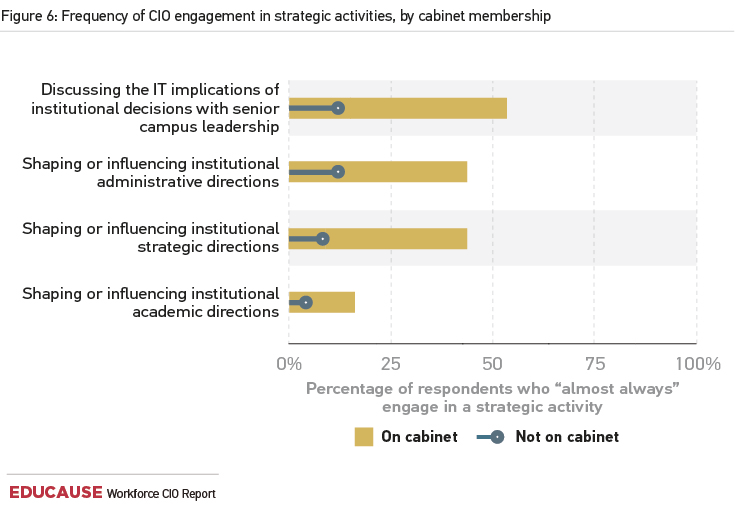
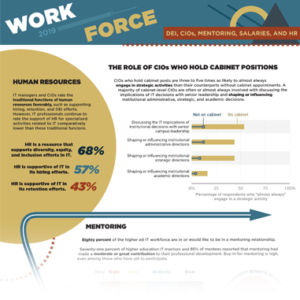
CIOs with cabinet-level appointments were three to five times more likely to regularly engage in strategic institutional activities than CIOs without cabinet access—highlighting how organizational structure directly affects leadership influence.
2. DEI Is Viewed as Professional Growth, Not Just Compliance
Most respondents believed participation in DEI workshops and training would contribute positively to their professional development, signaling strong interest in equity-focused growth opportunities.
3. Mentoring Demand Outpaces Supply
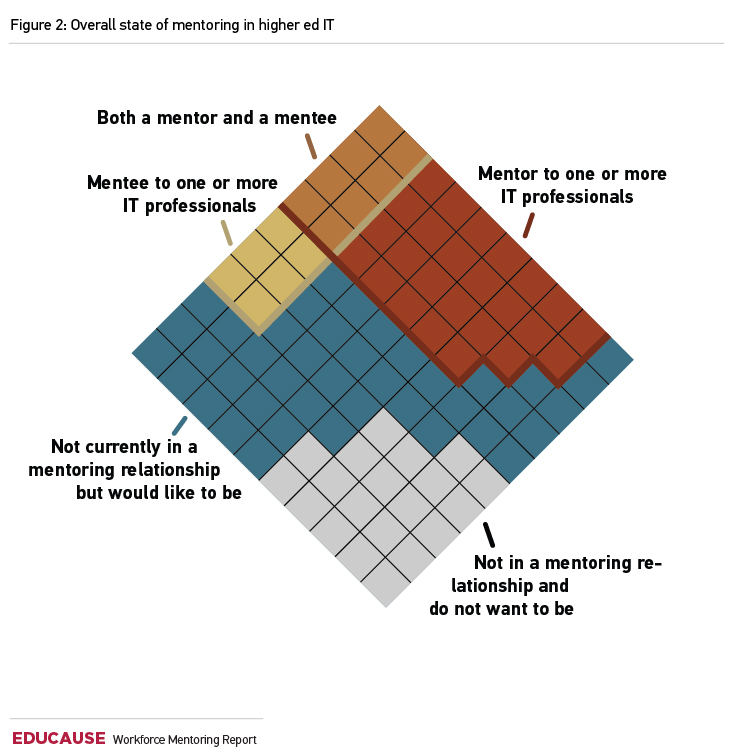
More than half of Millennial IT professionals were not in a mentoring relationship—but wanted to be—revealing a significant gap in career development support.
4. Salary Equity Remains Uneven
While gender salary equity had improved among CIOs and IT managers, a persistent gender pay gap remained among IT staff, underscoring the need for continued transparency and action.
5. HR Can Be a Strategic Partner
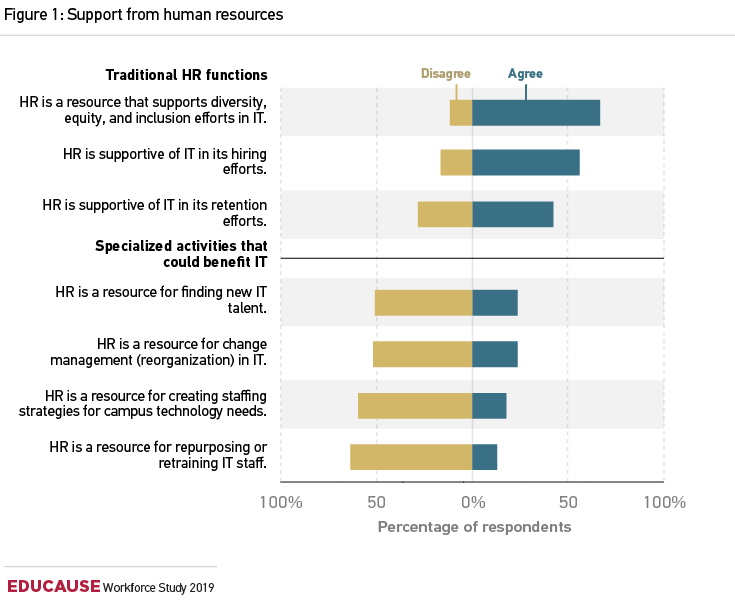
A majority of IT managers and CIOs viewed central HR as a valuable ally in advancing DEI initiatives, suggesting opportunities for stronger collaboration between IT and HR leadership.
Based on the findings, the research offered several clear recommendations for institutions:
1. Elevate the CIO Role
Institutions should position CIOs at the executive table to ensure IT strategy aligns with institutional goals.
2. Invest in DEI as Workforce Development
DEI training should be framed as leadership and career development—not merely compliance—to drive engagement and impact.
3. Formalize Mentoring Programs
Structured mentoring initiatives can address unmet demand, support early-career professionals, and strengthen leadership pipelines.
4. Address Salary Transparency and Equity
Institutions should regularly review compensation data and use tools like interactive salary calculators to identify and close equity gaps.
5. Strengthen IT–HR Partnerships
Closer collaboration between IT leadership and HR can accelerate progress on hiring, retention, and inclusive culture-building.
Project Milestones
2019
National IT Workforce Data Collected
Nearly 1,600 higher education IT professionals participate in the EDUCAUSE IT Workforce survey.
August 2019
Research Series Published
The IT Workforce in Higher Education, 2019 series is released, including five focused reports, executive summaries, and an infographic
2019
Interactive Tools & Resources Launched
Supporting materials—including an interactive salary calculator and public blogs—expand access to findings.
2019+
Institutional Adoption & Influence
Findings inform leadership development, DEI initiatives, mentoring programs, and compensation discussions across higher education IT organizations.
Citations & References
- Brooks, D. C., Campbell, S., Galanek, J., Gierdowski, D. C., O’Brien, J., Shulman, B., & Bichsel, J. (2019). The IT Workforce in Higher Education, 2019: CIOs, DEI, HR, Mentoring, and Salaries. EDUCAUSE Research
- The IT Workforce in Higher Educ…
- EDUCAUSE IT Workforce Studies and Interactive Salary Tools (2019).
- The IT Workforce in Higher Education, 2019: CIOs, DEI, HR, Mentoring, and Salaries